
In case you have recently bought pool chemicals, most likely you did so after looking at the price and asking yourself why on earth the big 200g chlorine tablets are the ones with the highest price tag—since they are the most common among pool owners? The prices went up during the pandemic and, to our annoyance, never completely came down afterward.
This article will explain the situation in the chlorine market, the main reason for the high price of 200g chlorine tablets, and the tips to manage your expenses without causing your pool to turn into a green swamp.
Table of Contents
-
-
-
-
-
-
-
-
- What Are 200g Chlorine Tablets Exactly?
- The Big Picture: Why Chlorine Prices Jumped and Stayed High
- The Reason Behind 200g Chlorine Tablets Being So Pricey
- What This Means for Everyday Pool Owners
- How to Save Money While Still Using 200g Chlorine Tablets
- Still Worth Purchasing 200g Chlorine Tablets?
- Conclusion
-
-
-
-
-
-
-
What Are 200g Chlorine Tablets Exactly?
To avoid confusion, it is better first to clarify the product you are actually purchasing before discussing the price.
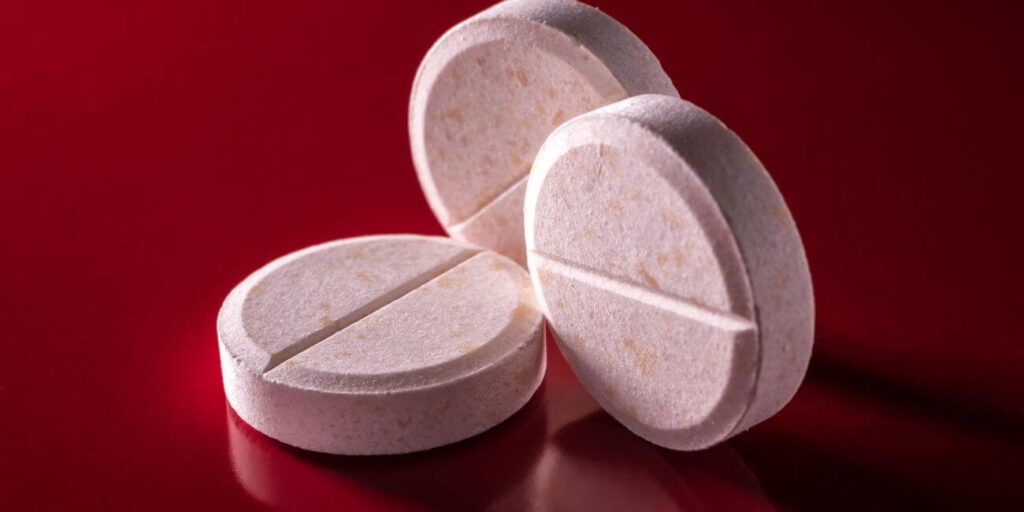
Generally speaking, 200g chlorine tablets are big tablets that dissolve slowly and are made from trichloroisocyanuric acid (“trichlor”), which is usually about 90% available chlorine. This is a very high concentration of sanitizer tightly packed into a single solid puck. Just a few tablets can actually purify quite a big volume of water.
Such products are meant for dissolving:
- In skimmer baskets
- In floating dispensers
- In inline or offline chlorinators
Faster dissolving and simpler forms of chlorine like liquid or shock powder are not the only products for which you are paying. With 200g chlorine tablets you are also paying for:
- The stabilizer that is included (usually, cyanuric acid in trichlor tablets)
- The highly controlled size and weight of each tablet
- Use of slow-dissolving binders and anti-caking agents
- Very strong and child-resistant, hazardous-goods-grade packaging
So, a bucket of 200g chlorine tablets is not a simple product but rather a sophisticated chemical product. It is not just “solid bleach.” That complexity is an important factor in determining the high price when we consider it.
The Big Picture: Why Chlorine Prices Jumped and Stayed High
Chlorine price rise was not a random event. The foremost shocks hit the market practically at the same moment, and their consequences are still ongoing.
1. Plant Fires and Untenable Production
Pool chlorine is made by a small number of companies. The market is greatly affected when a major plant is out of commission.
A fire in 2020 destroyed a large trichlor plant in the US after a hurricane, hence the key source of chlorine tablets was very quickly lost from the chain. Prices for all forms of chlorine, including 200g chlorine tablets, rose dramatically and they were never able to come down to the previously established “normal” level.
2. A Pandemic-Driven Boom in Backyard Pools
Demand was rising sharply just as supply was diminishing.
Travel restrictions and lockdowns during the pandemic forced millions of families to opt for backyard pools and “staycation” upgrades rather than holidays, thus pushing up the demand for pool construction and residential swimming pools, which increased significantly in many countries.
Each new pool is a customer for chlorine in a long run. Even now, years later, those extra pools are still present, still requiring disinfectant. Thus, we have more pools than ever that are taking the same limited supply of products like 200g chlorine tablets.
3. A Network of Interrupted Supplies and Costly Movements of Goods
Chlorine belongs to the family of chemical products, and the fate of such products is decided by their supply chains. Manufacturers were compelled to deal with such problems as:
- Significant raw material shortages and delays
- Increased expenses in logistics for international freight, trucking, and warehousing
- Congested ports and longer transit times
- Persistent labour shortages in manufacturing and logistics
Moreover, there are considerations as chlorine is a hazardous material:
- Less number of carriers are prepared to transport it
- Adequate packaging and labeling are compulsory
- Insurance, compliance, and handling expenses are higher
All these factors get reflected in the selling price of 200g chlorine tablets.
4. Increased Energy and Production Cost
Making chlorine and trichlor is a process that consumes a lot of energy. The chlor-alkali method that is employed uses large amounts of power, and then there are additional steps of drying, milling, blending, and high-pressure tableting to make the tablets.
The energy prices, labour rates and factory running costs have been on the rise over the last few years. Thus, the producers are transferring these higher costs downstream. Consequently, the cost of active chlorine going into 200g chlorine tablets has risen and is now more than what it used to be.
5. Price Levels in Relation to Inflation and “New Normal”
Inflation has an impact on everything related to chlorine, such as:
- Plastic buckets, childproof lids, seals, and labels
- Cardboard boxes, pallets, and shrink wrap
- Wages of factory, warehouse, and transportation workers
Higher prices are usually accepted by the market, and the manufacturers and retailers do not oppose the price goes down to pre-inflation levels. That’s why your 200g chlorine tablets still seem pricey even though the emergency headlines are gone.
The Reason Behind 200g Chlorine Tablets Being So Pricey
We have examined the forces impacting all kinds of pool chlorine to this point, but 200g chlorine tablets have some reasons peculiar to them that justify their high price.
1. More Chemistry in Each Tablet
A great 200g chlorine tablet isn’t just a block of solid chlorine. It is made of:
- High-quality stabilized chlorine (often around 90% available)
- Specially developed binders for slow and uniform dissolution
- Anti-caking agents to withstand humidity and storage
- Tight control over the diameter, thickness and weight
This involves research, formulation work, testing and strict quality control. If done properly, it means the 200g chlorine tablets dissolve in a predictable manner instead of crumbling, channeling or jamming the chlorinators—but those extra steps add cost to each tablet.
2. Heavy-Duty Packaging and Hazardous Goods Regulations
Since the 200g chlorine tablets are large and heavy, they are packaged in quite big and heavy containers consisting of 5 kg, 10 kg, 25 lb or 50 lb buckets and drums. The packages must have the following characteristics:
- They should be thick-walled and impact-resistant.
- They should be provided with gasketed, child-resistant lids.
- They should be properly rated and labeled for hazardous chemicals.
The costs of packaging have increased significantly in recent years due to rising prices of resin and transport. When one expensive bucket is spread over a small number of 200g chlorine tablets, the packaging cost per tablet turns out to be surprisingly high.
3. Transport Costs Hit Tablets Hard
While large commercial users get liquid chlorine delivered in bulk, either in tank trucks or large totes, and thus enjoy the economies of scale, similar shipping methods are not available for tablets. 200g chlorine tablets get shipped as small buckets and drums on pallets, which implies:
- More handling and warehouse touches
- Higher freight cost per unit of available chlorine
- Higher hazardous-material surcharges per shipment
Generally, when freight and fuel prices rise, tablet products tuff it out and get affected the most than bulk liquid chlorine.
4. Retail Margins and Seasonal Risk
In many regions, pool chemicals are of high seasonality. Retailers and service companies often:
- Buy large quantities of chlorine tablets in 200g format before the season
- Stock for months awaiting the peak demand
- Run the risk of having unsold stock if the economy or weather deteriorates
To cover it, they set higher margins. That retail layer sits on top of already elevated manufacturing and freight costs making the final price for chlorine tablets of 200g seem even steeper.
What This Means for Everyday Pool Owners
By combining everything that has been mentioned, the most common scenario for pool owners is as follows:
- The cost of annual maintenance is much more than before.
- The cost of 200g chlorine tablets is very high during the summer and does not reduce much at other times.
- In some areas, there is no way to get the tablets at all.
- There is a lot of uncertainty among the owners about what to do: to keep using tablets, to switch to liquid, or to buy other products.
It is not within your power to solve the global supply problem, but you can make it last longer and get a better return on investment from every bucket of 200g chlorine tablets.
How to Save Money While Still Using 200g Chlorine Tablets
1. Dial In Your Water Balance
Unbalanced water burns through chlorine.
Keep an eye on:
- pH: ideally 7.2–7.6
- Stabilizer (CYA): not too low (UV burn-off) and not sky-high (chlorine lock)
- Total alkalinity and calcium hardness: within recommended ranges
When water is balanced, each of your 200g chlorine tablets lasts longer because chlorine isn’t wasting energy fighting scale, corrosion, or wild pH swings.
2. Reduce Chlorine Demand Before You Add More
Anything that eats chlorine costs you money.
Good habits:
- Run the pump long enough for solid circulation
- Clean or backwash the filter regularly
- Brush walls and vacuum to remove biofilm and algae
- Encourage swimmers to rinse off sunscreens and lotions
Simple housekeeping can easily stretch a bucket of 200g chlorine tablets for several extra weeks over a season.
3. Use a Pool Cover and Guard Against Sunlight
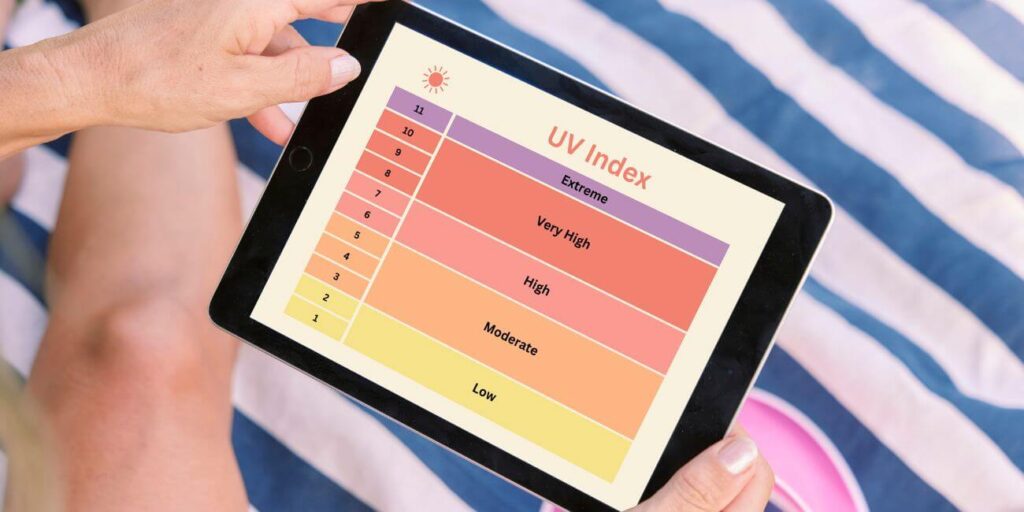
UV light destroys chlorine fast. A properly fitted pool cover:
- Reduces UV exposure
- Cuts evaporation
- Keeps leaves, dust, and pollen out
That means your 200g chlorine tablets don’t have to work as hard, and you can often run a slightly lower feed rate in your floater or chlorinator without losing water quality.
4. Combine Tablets With Other Sanitizing Tools
You don’t have to go all or nothing. Many owners use a hybrid approach:
- Use 200g chlorine tablets for steady baseline chlorination
- Add UV, ozone, or mineral systems to reduce the amount of chlorine needed
- Keep liquid chlorine or cal-hypo on hand for occasional shock treatments
By letting secondary systems handle part of the sanitizing load, you rely less on a constant heavy feed of 200g chlorine tablets and buy fewer pails each year.
5. Buy Smart and Store Smart
Purchasing the least expensive tablets is usually a false economy if they break or dissolve unevenly.
Rather:
- Limit the comparison of products to available chlorine cost per kilo instead of just per bucket.
- Look for reliable suppliers like Qc Industry that deal in ever-reliable 200g chlorine tablets with definite specifications.
- Buy when demand is low if local pricing is seasonal.
- Chlorine tablets should be stored in a cool, dry, and well-ventilated area, separate from other chemicals and sources of ignition.
If properly managed, 200g chlorine tablets can remain potent for a considerable period, enabling you to buy in bulk whenever the situation is right.
Still Worth Purchasing 200g Chlorine Tablets?
With the price increases that have occurred in recent years, it is reasonable to question whether tablets remain as the best option.
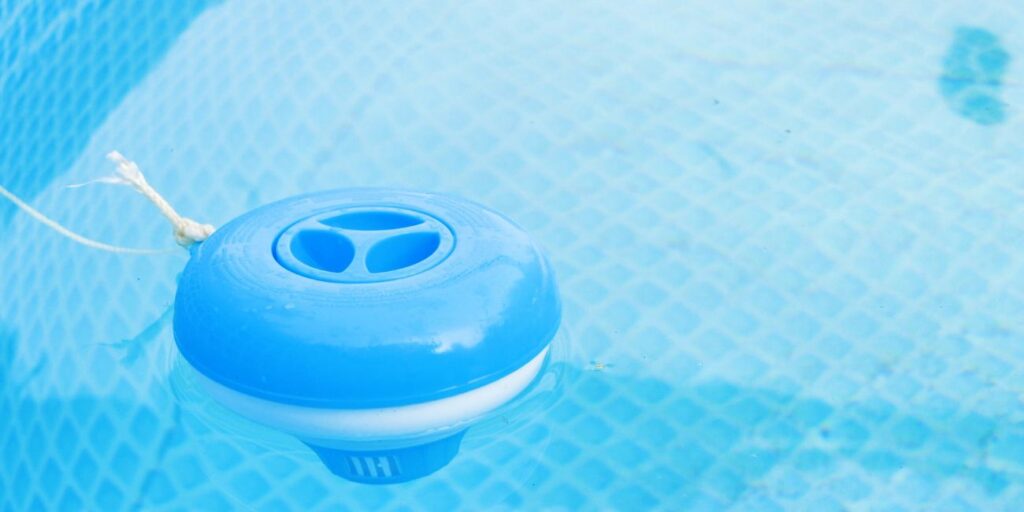
For numerous pools in both residential and commercial areas, the response is still affirmative—particularly when you take into account:
- Convenience: just drop a few 200g chlorine tablets into a floater or chlorinator and let them do their job.
- Consistency: slow, steady dosing is less stressful on water balance compared to big fluctuations from manual liquid dosing.
- High concentration: the amount is smaller as compared to cases of liquid chlorine so it is less of a hassle to move, store and handle.
- Compatibility: indeed, tablet feeders and floaters are not only available but also easy to maintain.
If you mix those benefits with smarter usage and better planning, 200g chlorine tablets can still be at the core of your pool-care routine amid a high-priced market.
Conclusion
The high prices of chlorine tablets are due to a combination of factors that have been affecting the market for a long time: plant closures, pandemic-related demand, high energy and packaging costs, and limited production under strict regulations. It appears that 200g chlorine tablets will never return to the status of being an inconspicuous and inexpensive commodity again.
Rather than waiting for the market to magically reset, concentrate on what you can control:
- Select high-quality 200g chlorine tablets from reputable suppliers.
- Water balancing and circulation should be optimized in such a way that every tablet does more work.
- Employ covers and secondary sanitizers to minimize waste.
- Purchase ahead of time rather than panic buying during a shortage.
If you treat 200g chlorine tablets like a high-value, carefully managed resource instead of something you casually throw in, you can still have safe, clear, and comfortable water without the chemical costs dominating your pool budget.