
If you have ever taken a stroll to your swimming pool only to find cloudy water, a small amount of algae, or the overpowering “chlorine smell,” you have already become acquainted with the situations in which calcium hypochlorite shock comes to the rescue. Routine daily chlorination is the main procedure, but at times, your pool will require a stronger reset. That is precisely what shock is for – and cal hypo is one of the most used and effective types.
Do Calcium Hypochlorite Tablets Raise Calcium Hardness?
When pool owners sanitize their pools with chlorine tablets or granular shock, they might have heard about high calcium hardness and cloudy water. Some people may even think that calcium hypochlorite tablets are the ones responsible for secretly pushing the hardness levels up, especially if used throughout the hot season. So, the short answer is: yes, using calcium hypochlorite tablets always means that you are adding both chlorine and calcium to the pool. The thing is, how much calcium is being added, at what point it becomes a problem, and what can be done about it.
Why Are Chlorine Tablets So Expensive?
In case you have recently bought pool chemicals, most likely you did so after looking at the price and asking yourself why on earth the big 200g chlorine tablets are the ones with the highest price tag—since they are the most common among pool owners? The prices went up during the pandemic and, to our annoyance, never completely came down afterward.
This article will explain the situation in the chlorine market, the main reason for the high price of 200g chlorine tablets, and the tips to manage your expenses without causing your pool to turn into a green swamp.

What is Sodium Dichloroisocyanurate Used For?
Fresh, clean water is a link to sanitation, health, and recreation, whether a swim in a swimming pool, a sip of tap water, or a visit to work an industrial water treatment plant. Sodium Dichloroisocyanuate (SDIC) is the solution to most water treating systems, performing as a powerful and efficient disinfectant and used everywhere in the world. SDIC’s chlorine content, stability, and convenience, make it the very first choice for pool owners, water treatment experts and industrial project contractors.

What is the Use of Chlorine Tablets?
Chlorine tablets are the most effective, practical, and cheapest water disinfection for various applications. The chlorine tablet uses include the water treatment(sanitizing, disfinfecting, etc.) in swimming pools, household sanitation, water cleaning, and industrial applications. These chlorine tablets are convenient to work with and disinfect water effectively while rendering things clean. Knowledge about chlorine tablet uses will help users take full advantages of them, prevent repeating mistakes, and provide cleanliness and hygiene around them. This article extensively discusses the chlorine tablet uses, including its correct usage procedures, warnings, and handy facts.

What is the Difference Between Chlorine and Dichlor?
Your pool needs to be properly sanitized in order to provide water clarity, algae management, and protection from disease-causing bacteria for the bather. Chlorine, usually appear in the form of chlorine tablets or chlorine granule, has been the preferred sanitizer for many years due to its effectiveness and low cost. Pool owners now have the option of a very commonly used chlorinated product in dichlor. Sodium dichloroisocyanurate is now a suitable substitute for almost all pool maintenance uses. Here we will explain how older chlorine products compare to dichlor, for example, sodium dichloroisocyanurate, so that you’ll know when and why to apply one.

Are Chlorine Granules Better than Liquid Chlorine?
Your pool’s cleanliness and safety aren’t something to be argued, and chlorine remains the workhorse when it comes to sanitizing your pool. Whether it’s against bacteria, algae, or cloudy water, chlorine gives the same result every single time. But with the availability of chlorine granules and liquid chlorine, the age-old dilemma plagues the minds of the average pool owners: What’s better?

Is It Cheaper to Use Liquid Chlorine or Chlorine Tablets?
Having your swimming pool safe and sparkling clean sits at the top of the priority list for any swimming pool owner. From killing algae blooms to destroying unwanted bacteria, chlorine remains the king when it comes to the sanitation of pools. However, when it’s all about using liquid chlorine or using chlorine tablets, the best option isn’t as black-and-white as you may assume. They both keep your swimming pool clean, but with vastly different use, efficiency, and most importantly, price tags. Pool owners wish to know: Is using liquid chlorine or chlorine tablets more budget-friendly?

How Long Can a Pool Go Without Chlorine?
It is not easy to keep a pool clean and safe. Chlorine plays a very significant role in sanitizing a pool—it cleans, kills germs and bacteria, and inhibits algae and bacteria from growing. But the majority of people wonder How long a pool can go without chlorine.
In this helpful guide, we cover what will occur if you don’t use chlorine, the factors that determine how long your pool can go without treatment, and how you can avoid expensive problems. Whether you’re on holiday, out of stock, or just seeking some insight into pool upkeep, keep reading for useful information and tips.
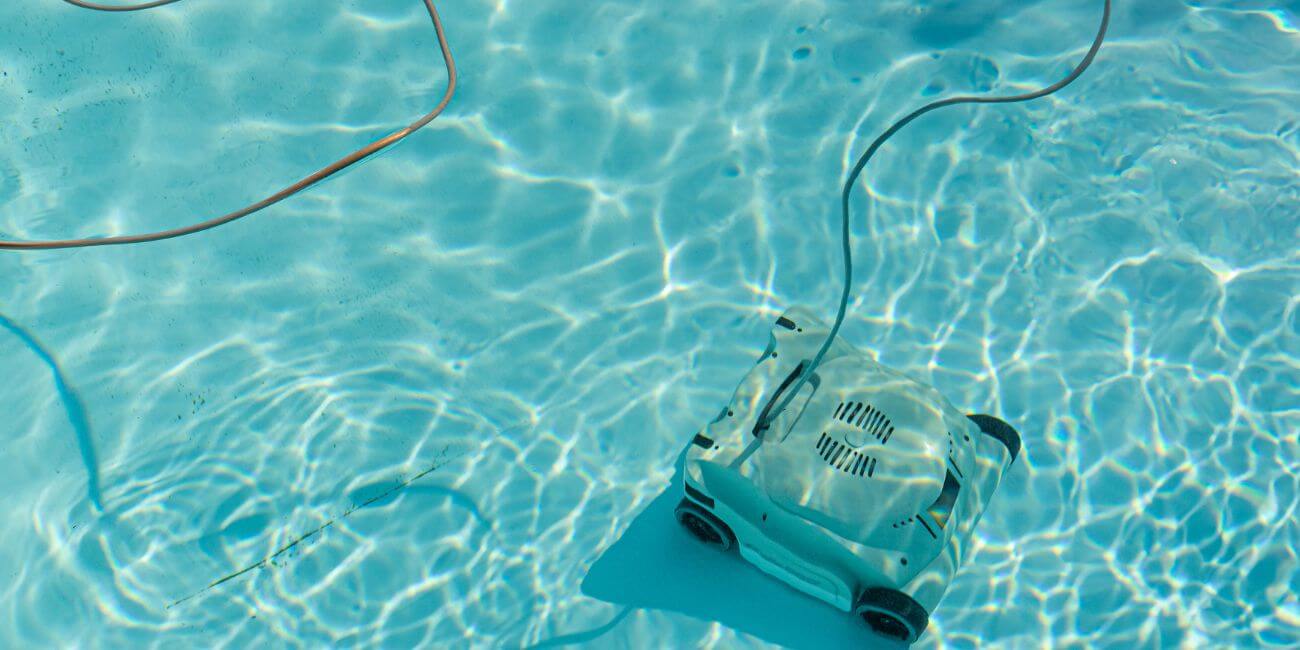
How Much Chlorine For A 1200 Gallon Pool?
A clean pool is a happy pool. To fulfill this, you will need the correct amount of chlorine. This article will guide you to the required chlorination doses. We will specifically target the 1200-gallon pool and compare pool chlorine products. In this case, we shall examine the pool chlorine tablets. The guide illustrates simple, short sentences that allow you to read and understand the porpoise of the pool clearly.
- 1
- 2
- 3
- …
- 6
- Next Page »